Source Fruit Juice Brix Refractometer for Food Testing
Find reliable fruit juice brix refractometer options for quality control in beverage and honey production. Compare 30 models with varying accuracy, material, and range specifications to select the right tool for your lab or field testing needs; compare the available evidence and request quotations based on your requirements.
Key considerations
Products List


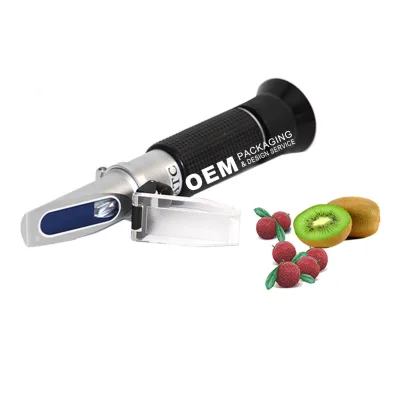
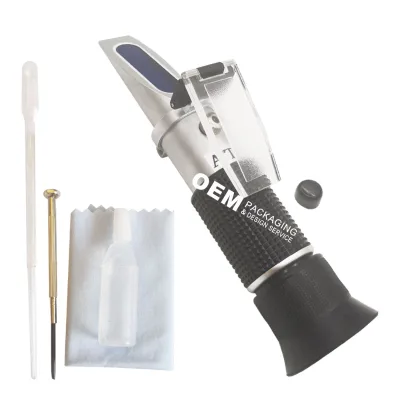
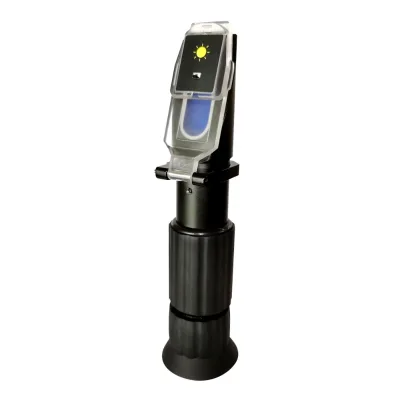
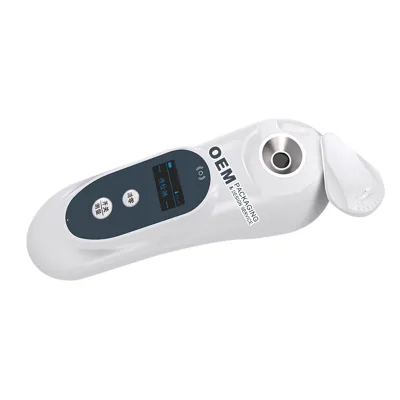


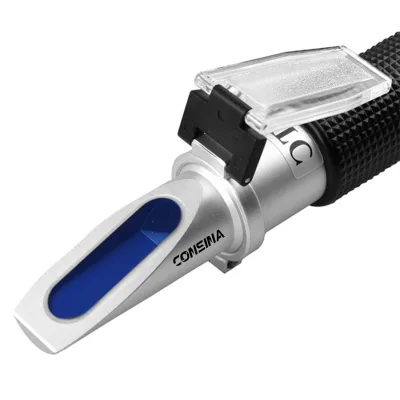
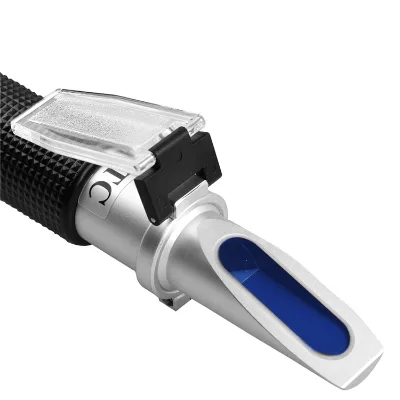
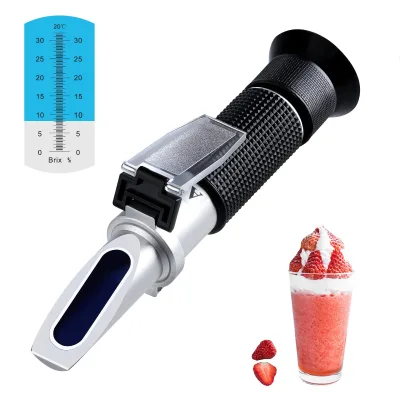
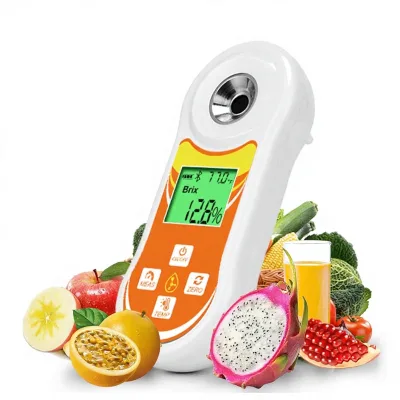


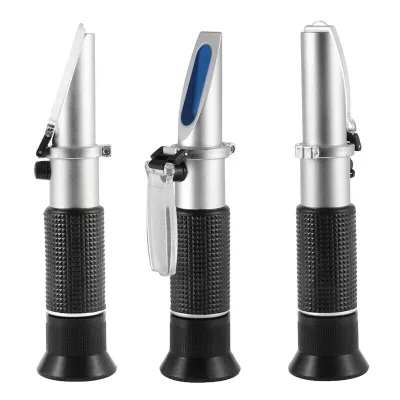
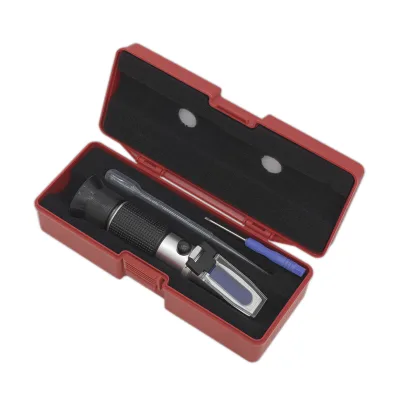
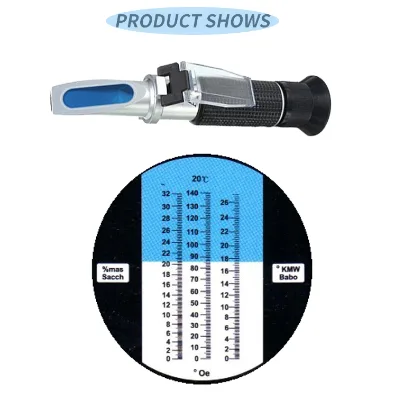
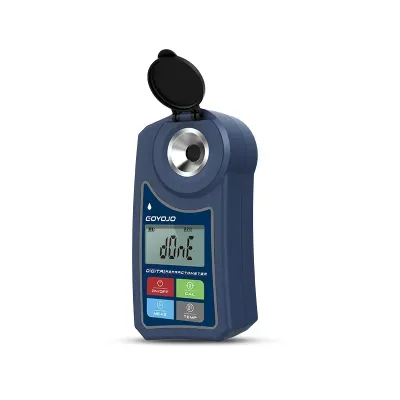
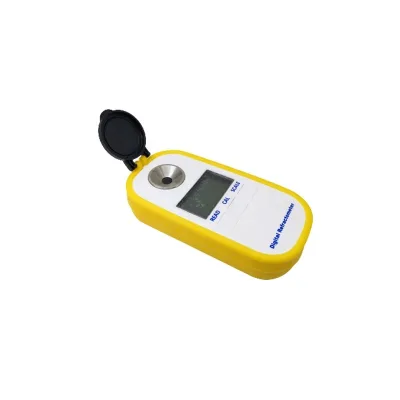
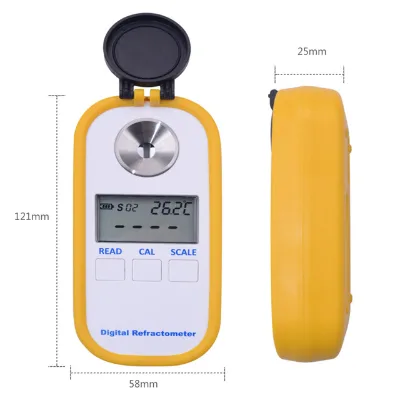
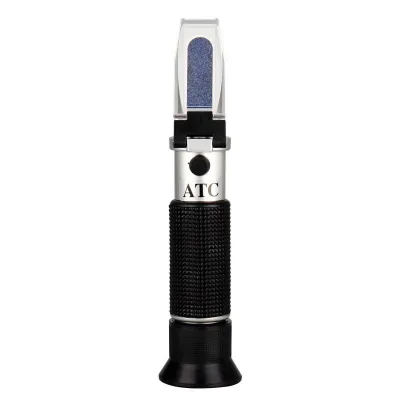
Comprehensive Sourcing Guide
Fruit Juice Brix Refractometer Sourcing Guide
Sourcing the correct optical or digital instrument for measuring sugar content in fruit juice requires a clear understanding of the specific measurement ranges and environmental conditions your production line will face. The market offers a variety of handheld and laboratory-grade devices, each tailored to different levels of precision and operational speed. Buyers must distinguish between simple analog refractometers, which rely on visual interpretation of light refraction, and digital models that provide automated, high-resolution readings. This distinction is critical because fruit juice analysis often demands higher accuracy to ensure consistent product quality and regulatory compliance across batches.
The decision to source from manufacturers in China, particularly regions like Zhejiang and Henan, offers access to a wide spectrum of pricing and customization options. Observed listings indicate a broad price range, reflecting differences in material quality, electronic components, and brand reputation. Procurement teams should evaluate whether the low-cost entry points meet the stringent accuracy requirements for commercial fruit juice processing or if the investment in higher-tier digital units is necessary for long-term operational efficiency and data integrity.
Product Scope and Observed Listing Signals
The current market landscape for fruit juice brix refractometers includes both traditional handheld analog devices and modern digital units, each serving distinct operational needs. Observed product attributes highlight a significant diversity in measurement capabilities, with some units covering ranges from 0-32% Brix to broader scales extending up to 80% Brix. This variation is crucial for buyers, as different fruit juices have varying natural sugar concentrations, and selecting a device with an inappropriate range can lead to inaccurate readings or the need for sample dilution, which introduces potential errors in the final calculation.
Material composition and physical design also vary considerably across listings, influencing durability and ease of use in industrial settings. Some products are constructed from aluminum or plastic-metal composites, offering robustness against physical impacts, while others may feature more delicate electronic housings. Buyers should note that weight specifications range from lightweight handheld units around 230g to heavier laboratory models exceeding 500g, which may affect portability and operator fatigue during extended quality control checks. Understanding these physical attributes helps in selecting a tool that aligns with the specific workflow and ergonomic requirements of the testing environment.
Technical Specifications to Verify
Accuracy and resolution are the most critical technical parameters when evaluating refractometers for fruit juice analysis. Buyers must verify whether the device offers a resolution of 0.1% or 0.5% Brix, as finer resolution allows for more precise adjustments in the juicing process to maintain consistent sweetness levels. Additionally, the stated accuracy, often cited as 0.5% or 0.01% for digital models, must be validated against industry standards for food testing. It is essential to confirm that the measurement range of the selected unit fully encompasses the expected Brix levels of the specific fruit juices being processed, avoiding the need for extrapolation or dilution that could compromise data integrity.
Temperature compensation is another vital technical feature that should be explicitly verified, as fruit juice temperature can fluctuate significantly during processing and storage. Automatic temperature compensation ensures that readings remain accurate regardless of sample temperature, eliminating the need for manual corrections. Buyers should also inspect the minimum division and measuring range specifications to ensure they align with the sensitivity required for their quality control protocols. Confirming these technical details prevents the procurement of instruments that may provide misleading data under varying environmental conditions, which is common in food processing facilities.
Compliance and Safety Documentation
Ensuring that the refractometer meets relevant safety and quality certifications is a fundamental step in the procurement process. Buyers should request documentation confirming that the device holds necessary certifications, such as CE marking, which indicates compliance with European health, safety, and environmental protection standards. While specific national standards may vary, verifying that the manufacturer adheres to recognized international quality management systems ensures that the product has undergone rigorous testing and quality control procedures. This documentation is essential for maintaining traceability and demonstrating due diligence in the supply chain, particularly when exporting or importing equipment across different regulatory jurisdictions.
Data integrity and calibration documentation are also critical components of compliance for laboratory and industrial use. Buyers must ensure that the refractometer comes with a calibration certificate or a clear protocol for regular calibration using standard solutions. For digital models, verifying that the device supports data export or logging can be crucial for maintaining audit trails in quality assurance processes. Additionally, checking the warranty terms, which may range from one year to longer periods, provides insight into the manufacturer’s confidence in their product’s longevity and reliability. Proper documentation ensures that the instrument remains a valid tool for quality control throughout its operational lifespan.
Cost Drivers and Commercial Terms
The cost of a fruit juice brix refractometer is influenced by several factors, including the type of technology, material quality, and the level of customization offered. Digital refractometers with automatic temperature compensation and high-resolution displays typically command higher prices than basic analog models due to the complexity of their electronic components. Buyers should also consider the cost implications of customization options, such as OEM branding or specific logo applications, which may incur additional fees or affect the minimum order quantity. Understanding these cost drivers helps in budgeting accurately and selecting a solution that offers the best value for the required performance level.
Minimum order quantities and packaging details are significant commercial terms that impact the overall procurement strategy. Observed listings show a wide range of MOQs, from single units to larger batches, allowing buyers to scale their orders based on immediate needs and storage capacity. Packaging specifications, such as carton dimensions and gross weight, affect shipping costs and logistics planning. Buyers should negotiate terms that align with their inventory management practices, considering whether bulk purchasing offers sufficient discounts to justify the storage costs. Clear communication regarding lead times and shipping methods is essential to avoid delays in setting up quality control processes.
Supplier Qualification and Quality Control
Evaluating supplier qualifications is essential to ensure the reliability and consistency of the refractometers procured. Buyers should verify the manufacturer’s production capabilities, including their experience in manufacturing optical instruments and their adherence to quality management systems. Factories located in established industrial hubs like Zhejiang and Henan often have mature supply chains and skilled labor, which can contribute to higher product consistency. Requesting samples for initial testing allows buyers to assess the build quality, ease of use, and accuracy of the devices before committing to larger orders, reducing the risk of receiving substandard products.
Quality control procedures implemented by the supplier directly impact the long-term performance of the refractometers. Buyers should inquire about the testing protocols used during production, such as calibration checks and durability tests, to ensure that each unit meets the specified accuracy and resolution standards. Establishing a clear communication channel with the supplier for addressing any defects or performance issues is crucial for maintaining operational continuity. Additionally, reviewing the supplier’s after-sales support, including warranty claims and technical assistance, provides assurance that any future problems will be resolved promptly, minimizing downtime in the quality control process.
Long-Term Procurement Checks
Long-term procurement success depends on establishing a robust framework for ongoing supplier performance monitoring and product lifecycle management. Buyers should regularly review supplier metrics, such as on-time delivery rates, defect rates, and responsiveness to technical queries, to ensure continued reliability. Building a relationship with a supplier who offers consistent quality and competitive pricing can lead to better terms and priority support during peak demand periods. Regularly updating the supplier on changes in product requirements or new fruit juice varieties ensures that the procurement strategy remains aligned with evolving business needs.
Maintenance and calibration schedules are critical for maintaining the accuracy of refractometers over time. Buyers should develop a preventive maintenance plan that includes regular cleaning, inspection of optical components, and periodic recalibration using certified standard solutions. Keeping a log of calibration results and any observed drift in readings helps in identifying potential issues early and scheduling timely repairs or replacements. By integrating these long-term checks into the quality management system, buyers can ensure that the refractometers continue to provide reliable data, supporting consistent product quality and regulatory compliance throughout the instrument’s operational life.
FAQs
How do I choose between a 0-32% Brix and a 0-80% Brix refractometer for fruit juice?
Most fruit juices and drinks fall within the 0-32% Brix range, which also offers finer resolution, so that model suits beverage and canned food testing. Choose a 0-80% range for honey, syrups, or concentrates where sugar content exceeds 32%. Match the range to your densest sample to avoid measurement errors.
What accuracy and resolution should I expect from a handheld Brix refractometer?
Typical handheld models offer about 0.5% accuracy with 0.2% minimum division, while digital units can reach 0.01 accuracy with 0.1% Brix resolution. Handheld optical units are adequate for routine juice checks, but choose a digital model when you need tighter tolerance for quality control records or labeling compliance.
Which 2-in-1 or 3-in-1 refractometer features matter for testing juice and saltwater?
A combined Brix and salinity scale lets one instrument handle fruit drinks and mariculture checks, such as a 0-32% Brix with 0-28% salinity range. Verify the minimum division on both scales, confirm the calibration procedure, and ensure the housing resists corrosion if you test saltwater samples regularly.
Can I customize the refractometer with my own logo for resale or promotion?
Yes, customization is available on many listings, commonly as transfer stickers for logo or graphic design, with OEM support also offered. Minimum order quantities can be as low as one piece on some models, though branding options and tooling costs vary by supplier. Confirm artwork format, placement, and packaging requirements before ordering.
How do I calibrate and maintain a handheld Brix refractometer day to day?
Calibrate with distilled water at a stable ambient temperature before each session, adjusting until the boundary line reads zero. Rinse the prism with clean water and wipe it dry after every sample to prevent residue buildup. Store it in its case away from humidity, since aluminum bodies and optics are sensitive to corrosion and moisture.
What do the listed sizes and weights tell me about portability and packaging?
Handheld models listed around 30*40*170mm or 40*40*160mm weigh roughly 230g to 500g, which fits easily in a pocket or field kit. Compact digital units with single packages near 20.7X8.7X5.5 cm are lighter still. Carton packaging is standard for bulk orders, so confirm unit-level protection when shipping glass or optical components.
Can refractometers be used for products other than fruit juice?
Yes, the same Brix scale applies to canned food, honey, fruit drinks, and mariculture salinity testing, making one instrument useful across multiple quality checks. Ensure the measurement range covers your product, since honey often needs a 0-80% range while dilute beverages sit well below 10%. Salinity scales add value for aquarium or aquaculture use.
What warranty and minimum order terms are typical when sourcing these refractometers?
Listings commonly show a one-year warranty and minimum orders as low as one piece, which supports sampling before committing to volume. Wholesale pricing usually improves at higher quantities, and carton packaging is the standard shipping format. Always confirm warranty coverage terms, spare parts availability, and after-sales support directly with the supplier in writing.